Why Does My Breaker Keep Tripping? Common Causes Explained
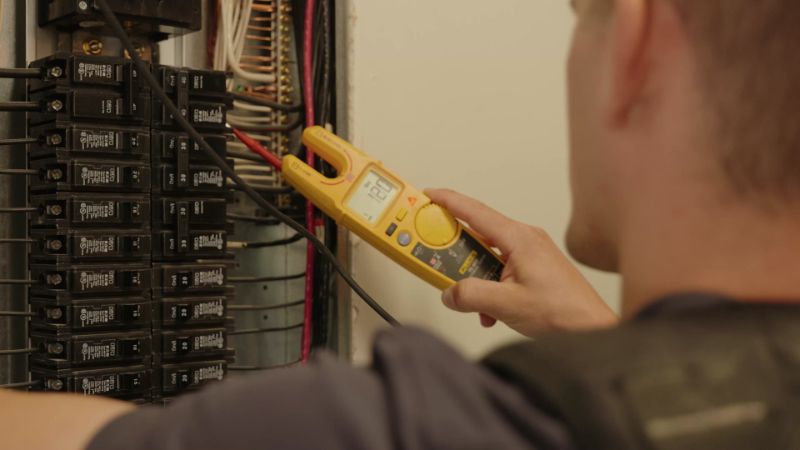
Your breaker keeps tripping because it's detecting a fault — an overloaded circuit, a short circuit, or a ground fault. It's not the problem itself; it's your electrical system's warning signal. Overloaded circuits are the most common culprit, drawing more amperage than the circuit can safely handle. If it trips repeatedly, there's an unresolved issue demanding diagnosis. Understanding exactly what's triggering your breaker will determine whether it's a quick fix or something far more serious.
Key Takeaways
Circuit breakers trip to protect your home from electrical faults — repeated tripping signals an unresolved issue, not a faulty breaker itself.
Overloaded circuits occur when connected devices draw more amperage than the circuit's rated capacity.
Short circuits happen when a hot wire contacts a neutral wire, often caused by faulty appliances or damaged wiring.
Ground faults occur when a hot wire contacts a grounding conductor, triggering the breaker as a safety response.
Aging panels, burning smells, scorch marks, or breakers that won't reset indicate the need for immediate professional inspection.
What It Means When a Breaker Trips
A circuit breaker is a safety device—when it detects a fault condition like excess current or a short circuit, it physically opens the switch to cut power to the circuit. That's breaker function working exactly as designed. The tripped breaker isn't the problem; it's the symptom. Something on that circuit caused a fault condition, and the breaker responded to protect your wiring, your appliances, and your home from damage or fire.
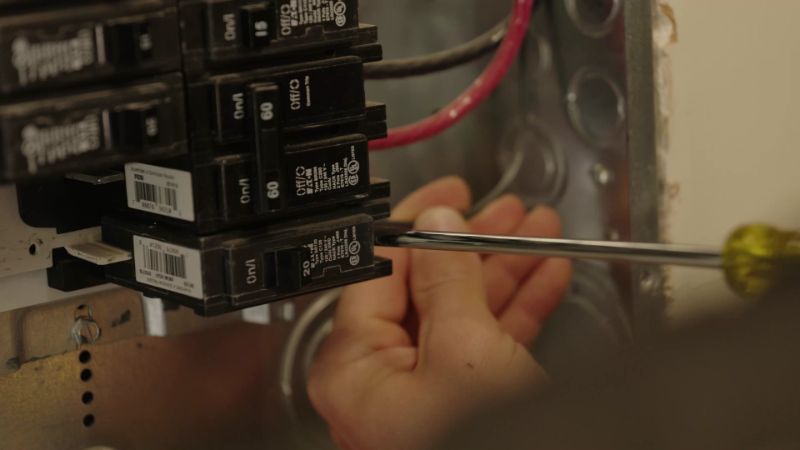
When a breaker trips, you'll find the toggle sitting in a middle position between "on" and "off." You can reset it by switching it fully off, then back on. But if it trips again, don't keep resetting it. Repeated tripping signals an unresolved electrical safety issue that requires diagnosis, not a workaround.
The Most Common Causes of a Tripping Breaker
Most tripping breakers trace back to one of three root causes: overloaded circuits, short circuits, or ground faults. Each cause triggers the breaker differently, but all three signal that something in your electrical system needs attention.
A circuit overload occurs when connected devices draw more amperage than the circuit is rated to handle. Short circuits happen when a hot wire contacts a neutral wire, often inside faulty appliances, outlets, or damaged wiring. Ground faults occur when a hot wire contacts a grounding conductor or a grounded surface.
Identifying which cause applies to your situation determines the correct fix. Faulty appliances are frequently responsible for both short circuits and ground faults, so unplugging devices one at a time can help you isolate the problem quickly.
Is Your Panel Overloaded or Just Outdated?
If your breaker trips repeatedly under normal loads, your panel may be overloaded—too many circuits drawing more current than the panel's rated capacity allows. Aging panels, particularly those from manufacturers like Federal Pacific or Zinsco, introduce a separate risk: breakers that fail to trip when they should, a hazard that worsens over time. Understanding whether your problem stems from overload, outdated equipment, or both determines whether you need a circuit adjustment, a full panel replacement, or a service capacity upgrade.
Signs of Panel Overload
Breakers don't trip randomly—when a breaker trips repeatedly, it's pointing to one of a few root causes: too much current draw on a single circuit, a fault condition in the wiring or a connected device, or a panel that's reached the limits of its capacity.
Panel overload shows up in recognizable patterns tied directly to appliance usage and circuit capacity:
Lights dim when large appliances like a dryer or microwave kick on
Multiple breakers trip during periods of normal, simultaneous appliance usage
The panel feels warm or produces a faint burning smell near the enclosure
Each symptom points to a panel that's distributing more load than it's rated to handle. At that point, a service upgrade isn't optional—it's a safety requirement.
Aging Panel Warning Signs
Older panels introduce a separate problem: age-related failure that mimics overload but stems from deteriorated components rather than excess demand. A panel's lifespan typically runs 25–40 years, but electrical wear accelerates that timeline when circuits run near capacity for extended periods.
Watch for these warning signs:
Breakers that trip without a clear load cause
Breakers that won't reset or hold their position
Visible corrosion, rust, or burn marks inside the panel
A burning smell or warmth near the panel door
Flickering lights unrelated to a specific circuit
If your panel predates the 1990s, age-related degradation is likely contributing to tripping behavior. Deteriorated breaker contacts and weakened spring tension reduce trip accuracy, making reliable overcurrent protection impossible regardless of your actual electrical demand.
When Upgrades Become Necessary
Whether your panel is overloaded or simply outdated determines the right fix. Upgrading capacity becomes necessary when your household's electrical demand consistently exceeds what your current service can handle. Enhancing safety is equally critical when aging equipment no longer meets modern code requirements.
Upgrades are typically warranted when you notice:
Frequent breaker trips across multiple circuits under normal load conditions
Insufficient amperage — a 100A panel struggling to support EV chargers, HVAC systems, or major appliances
Obsolete equipment such as Federal Pacific or Zinsco panels known for failure and fire risk
In these situations, upgrading from 100A to 200A or 400A service isn't optional — it's essential. A licensed electrician can assess your current capacity, identify deficiencies, and recommend the correct service upgrade for your home's demands.
When a Tripping Breaker Points to a Wiring Problem
Sometimes a tripping breaker isn't caused by the load on the circuit—it's caused by the wiring itself. Loose connections, damaged insulation, corroded terminals, or undersized wire can all create resistance that generates heat, triggering the breaker before the circuit ever reaches its rated load.
Older homes with knob-and-tube or aluminum wiring are especially prone to these issues. Over time, connections loosen, insulation deteriorates, and conductors oxidize—all of which create serious electrical hazards.
A thorough wiring inspection can identify these hidden problems before they escalate into something dangerous. An electrician will check connections at the panel, outlets, switches, and fixtures, looking for signs of overheating, arcing, or improper installation. If your breaker trips repeatedly without an obvious load cause, don't reset it and ignore it—get the wiring checked.
Can You Reset It Yourself: or Should You Call an Electrician?
If your breaker trips once after an obvious overload—like running too many appliances on a single circuit—you can switch it fully off, then back on, and monitor it closely. Watch for warning signs that make a reset unsafe: a burning smell, scorch marks around the panel, a breaker that won't hold, or repeated trips under normal load. Any of these signals means you should stop and call a licensed electrician before the problem escalates into a fire hazard or panel failure.
When Resetting Is Safe
Resetting a tripped breaker yourself is safe under one condition: you've identified a clear, correctable cause. Resetting safely means addressing the problem before touching the panel—not after.
These are the scenarios where resetting makes sense:
You plugged in too many devices on one circuit, overloading it temporarily
A single high-draw appliance tripped the breaker during startup
A ground fault occurred from a wet tool or outdoor extension cord you've since unplugged
Once you've corrected the cause, switch the breaker fully off before flipping it back on—that's how proper breaker function works. If it trips again immediately or won't reset, stop. Repeated tripping signals something beyond a simple fix, and that's when you call a licensed electrician.
Warning Signs To Watch
Not every tripped breaker calls for a reset. Certain conditions signal a deeper problem that requires professional diagnosis. Watch for these red flags before touching the panel:
Burning smell or scorch marks near outlets or the panel indicate electrical shorts or loose connections
Repeated tripping on the same circuit points to circuit overloads or faulty appliances drawing excessive current
Visible corrosion or moisture around the panel suggests moisture intrusion compromising insulation and contacts
Warm or buzzing breakers indicate resistance buildup from loose connections or outdated wiring
Multiple circuits failing simultaneously often signals a service-level fault
If any of these symptoms are present, don't reset the breaker. Cut power to the affected circuit and contact a licensed electrician immediately.
Time To Call Help
A tripped breaker isn't always a DIY fix. You can safely reset it once if the cause is obvious—like an overloaded circuit. However, certain situations demand professional assessment rather than a quick reset attempt.
Call an electrician immediately if you notice:
Burning smells, scorch marks, or heat near the panel or outlets
Repeated tripping on the same circuit without a clear overload explanation
Flickering lights or sparking accompanying the trip
These are emergency response situations where resetting the breaker yourself could accelerate serious damage or create a fire hazard. An electrician will diagnose the root cause—whether it's a failing breaker, faulty wiring, or an overloaded service—and resolve it correctly. Don't guess with electrical systems.
Signs Your Panel Needs to Be Replaced
Sometimes a tripping breaker isn't the real problem—it's a symptom of a panel that's reached the end of its service life. Panel longevity varies, but most units last 25–40 years. Beyond age, specific warning signs indicate the panel can no longer meet your home's service capacity demands.
Watch for these indicators:
Breakers that won't reset or hold
Flickering or dimming lights under load
Burning smell or scorch marks near the panel
Warm panel cover or breakers
Breakers labeled "tandem" or "double-tapped" wiring
Insufficient circuits for current appliance loads
Federal Pacific, Zinsco, or other recalled panel brands
If you're seeing multiple signs, the panel itself needs evaluation—not just the individual breaker that keeps tripping.
Frequently Asked Questions
How Long Does a Breaker Panel Replacement Typically Take to Complete?
A breaker panel replacement typically takes 4–8 hours. Duration factors like your home's size, service capacity, and permit requirements can extend the timeline. You'll want to plan for a full day without power.
Will Homeowners Insurance Cover Damage Caused by a Faulty Breaker?
Your homeowner's insurance may cover damage from a faulty breaker, but it depends on your policy. Neglected breaker maintenance can lead to denied insurance claims, so document issues promptly and consult your insurer for coverage specifics.
Can a Tripping Breaker Affect My EV Charger's Charging Performance?
Yes, breaker issues directly impact EV charging performance. When your breaker trips, it interrupts power, causing incomplete charges. Power fluctuations can also damage your charger's components, compromising electrical safety and reducing your EV's battery longevity over time.
How Much Does It Cost to Replace a Frequently Tripping Circuit Breaker?
Breaker replacement costs typically run $150–$300 installed. A circuit breaker's lifespan averages 30–40 years, so if yours is aging or frequently tripping, you'll want a licensed electrician to assess whether replacement or a panel upgrade makes more sense.
Does a Tripping Breaker Mean My Home Needs a Full Rewire?
A tripping breaker doesn't automatically mean you need a full rewire. It often points to a single overloaded circuit. Proper breaker maintenance and a professional electrical safety inspection can pinpoint whether rewiring is actually necessary.