10 Signs of Faulty Wiring in Your Home
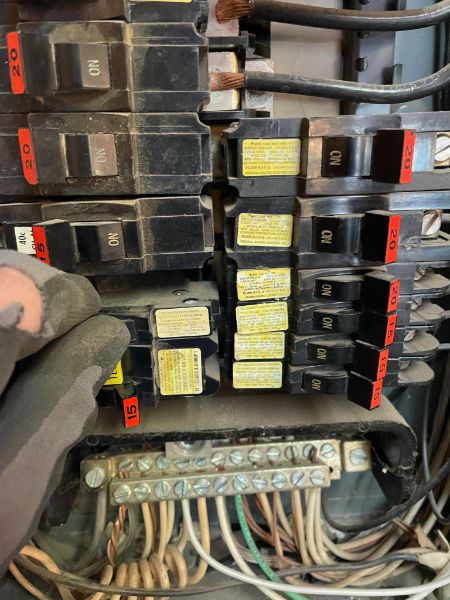
Faulty wiring kills nearly 500 people and causes over 50,000 house fires every year in the U.S. Your home may already be warning you. Watch for flickering lights, frequently tripping breakers, burning smells, warm outlets, or sparks when plugging in devices. Buzzing sounds, scorch marks, outdated knob-and-tube wiring, grounding issues, and overreliance on extension cords are equally serious red flags. Knowing what each sign means could be the difference between a simple repair and a catastrophe.
Key Takeaways
Flickering or dimming lights often indicate loose wiring, overloaded circuits, or deteriorating insulation, all of which pose serious fire hazards.
Breakers that repeatedly trip signal overloaded circuits, short circuits, or undersized wiring that requires immediate professional attention.
Burning smells, scorch marks, or warm outlets near receptacles are serious warning signs of arcing or failing electrical connections.
Buzzing, crackling, or humming sounds from outlets, switches, or walls suggest dangerous loose wiring or overloaded circuits.
Outdated knob-and-tube or aluminum wiring, common in older homes, presents significant fire risks due to poor grounding and loose connections.
Flickering or Dimming Lights That Won't Quit
Flickering or dimming lights are easy to dismiss as a minor annoyance, but they often signal a serious underlying wiring problem. If your flickering lights occur throughout multiple rooms, you're likely dealing with a failing main connection, a loose neutral wire, or an overloaded circuit. Dimming lights that drop when appliances kick on suggest your circuits can't handle the current load. Both symptoms can indicate deteriorating wiring insulation, corroded connections, or outdated infrastructure that creates resistance and heat. That heat buildup is what makes faulty wiring a fire hazard, not just an inconvenience. Don't troubleshoot this yourself. If you're noticing persistent flickering or dimming lights in your Portland-area home, have a licensed electrician inspect your wiring, connections, and panel before the problem escalates.
Breakers That Keep Tripping
When a breaker trips occasionally, it's doing its job—but when it trips repeatedly under normal load, you've got a wiring problem that demands attention. Chronic tripping typically signals an overloaded circuit, a short circuit, or a ground fault, all of which can damage appliances, degrade wiring insulation, and create fire hazards over time. If resetting a breaker becomes a routine fix rather than a rare one, you should call a licensed electrician to diagnose the underlying cause before the problem escalates.
Why Breakers Trip Repeatedly
A breaker that trips repeatedly isn't just an inconvenience—it's a warning. Electrical overloads and breaker malfunctions both signal that something in your system demands attention. Ignoring repeated trips puts your home at risk.
Common causes include:
Overloaded circuits — too many devices drawing current from a single circuit
Short circuits — a hot wire contacting a neutral wire, causing a sudden surge
Ground faults — current escaping its intended path through a grounded surface
Aging or damaged breakers — components that no longer hold their rated load reliably
Undersized wiring — conductors too small to handle your home's actual demand
Each cause carries real danger. If your breaker trips more than once without an obvious explanation, stop resetting it and contact a licensed electrician immediately.
When To Call Electrician
Resetting a breaker once after an obvious overload—like running too many appliances simultaneously—is reasonable. But if the same breaker trips repeatedly without a clear cause, that's one of the most common wiring issues you shouldn't ignore. Call an electrician when a breaker trips more than once under normal load, when it won't reset at all, or when it resets but immediately trips again. These patterns point to underlying faults—deteriorated wiring, loose connections, or a circuit that's been undersized for its actual demand. Following basic electrical maintenance tips won't resolve these problems; they require diagnostic work and hands-on repair. Heritage Electric serves homeowners throughout the Portland metro area and can identify exactly what's driving the fault before it becomes a fire hazard.
Burning Smells or Scorch Marks Near Outlets
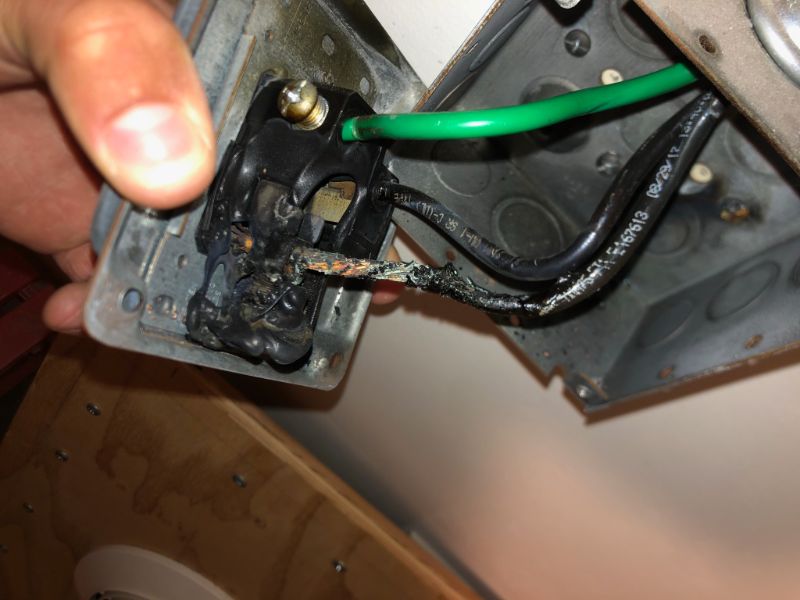
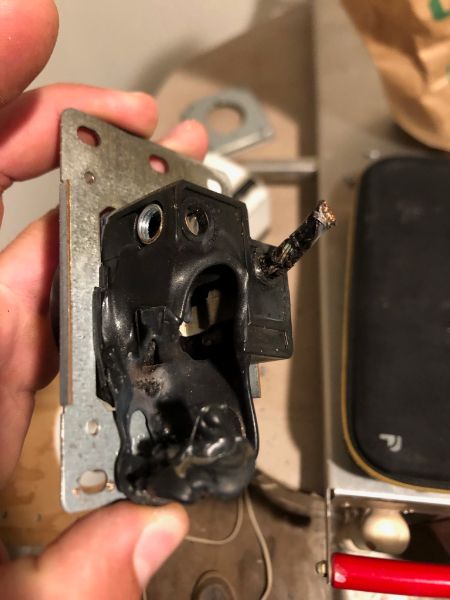
Burning smells or scorch marks near outlets are serious warning signs that demand immediate attention. These signs indicate arcing, overloaded circuits, or failing wiring connections that can ignite a fire.
Watch for these specific indicators:
Discoloration or scorch marks on outlet covers or wall plates
Persistent burning outlets smell even when nothing's plugged in
Outlets that feel warm or hot to the touch
Popping or crackling sounds coming from receptacles
Breakers that trip repeatedly on the same circuit
Don't use the affected outlet until a licensed electrician inspects it. Burning outlets and scorch marks rarely resolve on their own — they signal progressive damage. Heritage Electric provides thorough electrical safety inspections to identify faulty wiring before it becomes a serious hazard.
Outlets and Switches That Feel Warm to the Touch
Outlets and switches should never feel warm under normal operating conditions, so heat coming from a wall plate is a reliable indicator of a wiring problem underneath. Loose connections, overloaded circuits, or deteriorating wiring can all generate excess resistance, which converts electrical energy into heat. Left unaddressed, that heat builds until insulation breaks down or arcing ignites nearby materials. Dimmer switches are a partial exception—they can run slightly warm—but standard outlets and toggle switches shouldn't. Routine outlet maintenance helps catch early warning signs before they escalate. If you're noticing warmth consistently across multiple locations, switch upgrades paired with a full wiring inspection are likely necessary. Contact Heritage Electric to diagnose the source and restore safe, code-compliant operation throughout your home.
Sparks When You Plug Something In
When you plug in a device, a brief, small spark can occur as the outlet's contacts meet the plug's prongs—this is typically normal and harmless. However, if you see large, sustained, or repeatedly occurring sparks, or notice a popping sound or burning smell accompanying them, your wiring or outlet may have a serious fault. Don't ignore these warning signs; contact a licensed electrician to inspect the outlet, circuit, and panel before continuing to use it.
Normal Versus Dangerous Sparks
Plugging in an appliance occasionally produces a small, brief spark—and in most cases, that's completely normal. Normal sparks are tiny, blue-white, and disappear instantly. Dangerous sparks look and behave differently.
Watch for these warning signs:
Size: Dangerous sparks are large and dramatic rather than small and fleeting
Color: Yellow or orange sparks indicate heat buildup or arcing, unlike the brief blue of normal sparks
Frequency: Sparks that happen repeatedly signal a wiring problem
Smell: Any burning odor accompanying a spark means something's wrong
Sound: A popping or crackling sound alongside a spark suggests arcing
If you're noticing dangerous sparks at your outlets, don't ignore them. Arcing is a leading cause of electrical fires and requires immediate professional evaluation.
When To Call An Electrician
If you see large, yellow or orange sparks, smell burning, or hear crackling when you plug something in, stop using that outlet and call a licensed electrician immediately. These are clear indicators of serious wiring faults that won't resolve on their own.
You should also call if you notice:
Outlets that feel warm or discolored
Breakers that trip repeatedly on the same circuit
Flickering lights tied to specific outlets or loads
A persistent burning smell with no visible source
An electrician will assess the damage, identify root causes, and recommend the appropriate wiring upgrades to bring your system up to code. Scheduling routine safety inspections is the most effective way to catch deteriorating wiring before it becomes a fire hazard.
You Only Have Two-Prong Outlets Throughout the House
Two-prong outlets throughout your home are a clear indicator of an ungrounded electrical system—one that lacks the third wire required to safely redirect fault current away from appliances and people. These electrical upgrades aren't optional—they're a safety necessity. Two-prong outlets signal:
No equipment grounding path for fault current
Increased risk of electric shock and appliance damage
Incompatibility with modern three-prong devices and surge protectors
Potential code violations affecting home insurance and resale value
Inability to support sensitive electronics requiring grounded circuits
Replacing two-prong outlets requires either running new grounded wiring, installing a grounding electrode conductor, or adding GFCI protection as a code-compliant alternative. Each method carries different implications—a licensed electrician can assess your system and recommend the correct approach.
Your Home Still Has Knob-and-Tube or Aluminum Wiring
If your home was built before the 1950s, it may still have knob-and-tube wiring, and if it was built or renovated between the 1960s and 1970s, aluminum branch-circuit wiring could be present. Both systems present serious fire hazards: knob-and-tube lacks a ground conductor and was never designed for modern electrical loads, while aluminum wiring expands and contracts with heat, loosening connections over time and creating dangerous arcing at outlets, switches, and panel lugs. Neither system meets current code standards, and most insurers either refuse to cover homes with this wiring or charge considerably higher premiums.
Hidden Fire Hazards
Older homes built before the 1950s often contain knob-and-tube wiring, while those constructed between the 1960s and 1980s may have aluminum branch-circuit wiring — and both present serious fire risks that aren't always visible. These hidden dangers demand prompt electrical maintenance. Watch for these warning signs:
Insulation touching or covering knob-and-tube wiring, trapping heat
Flickering lights or frequently tripped breakers on older circuits
Discolored outlets, switch plates, or junction box covers
Warm wall surfaces near outlets or switches
Burning odors with no identifiable source
Both wiring types degrade over time — knob-and-tube loses insulation integrity, while aluminum expands and contracts, loosening connections. Neither system meets modern safety standards, making professional inspection and rewiring essential for your home's safety.
Outdated Wiring Risks
Knowing the warning signs is one thing — knowing whether your home's wiring is fundamentally outdated is another. Knob-and-tube and aluminum wiring both present serious safety concerns that go beyond symptoms you can spot at an outlet or breaker.
Knob-and-tube lacks a ground conductor and can't safely handle modern electrical loads. It also deteriorates when insulated, a common problem in older attics and walls. Aluminum wiring expands and contracts with heat cycling, loosening connections over time and creating arc and fire risks at every termination point.
Both types of outdated wiring require professional evaluation, not patchwork fixes. If your home was built before 1980, there's a real chance one of these systems is still in place — and still putting your household at risk.
Buzzing, Crackling, or Humming Sounds in Your Walls
Buzzing, crackling, or humming sounds coming from your walls, outlets, or electrical panel are never normal—and they often point to a serious underlying problem. Electrical noise like this signals active faults that can escalate into fires or electrocution. Schedule a wiring inspection immediately if you're hearing any of the following:
Buzzing outlets or switches – often caused by loose wiring or faulty connections
Crackling sounds – may indicate arcing, a leading cause of electrical fires
Humming inside walls – can signal overloaded circuits or deteriorating insulation
Noise near the panel – may point to a failing breaker or improper grounding
Intermittent sounds – suggest loose conductors that worsen under load
Don't ignore these warning signs. Arcing faults can ignite surrounding materials before a breaker ever trips.
You're Running Too Many Extension Cords
If you're relying on extension cords in three, four, or five rooms just to power everyday appliances, that's a clear sign your home doesn't have enough circuits or outlets to meet your actual electrical demand. Extension cord overload is a serious fire hazard—these cords aren't designed for continuous, long-term use. Excessive power strip usage compounds the risk by drawing more current through a single outlet than it's rated to handle, which stresses wiring and can cause overheating behind your walls.
The fix isn't more cords—it's additional outlets, dedicated circuits, or a panel upgrade if your service capacity is the underlying constraint. A licensed electrician can assess your load requirements and install the infrastructure your home actually needs.
When Is Faulty Wiring Actually a Danger?
The warning signs covered so far—flickering lights, tripped breakers, overloaded extension cords—are symptoms, but the real question is when those symptoms cross into active danger. Faulty wiring becomes a direct hazard under these conditions:
Wiring runs hot enough to scorch insulation or nearby framing
Arcing occurs inside walls, often silently, igniting materials over time
Overcurrent protection fails to trip during a fault
Aluminum or knob-and-tube wiring carries modern electrical loads it wasn't designed for
Grounding and bonding deficiencies leave you exposed to shock risk
Any one of these conditions warrants immediate wiring inspections and targeted safety upgrades before the problem escalates. Don't wait for a visible failure—by then, structural damage or injury may already be unavoidable.
Frequently Asked Questions
How Much Does a Full Home Electrical Inspection Typically Cost?
A full home electrical safety inspection typically costs $150–$500, depending on home size and complexity. You'll gain clear inspection benefits—identifying faulty wiring, code violations, and hazards before they become costly or dangerous problems.
Will Homeowners Insurance Cover Damage Caused by Faulty Wiring?
It depends on your policy. Most homeowners insurance covers damage from faulty wiring, but you'll face denied insurance claims if you've neglected known wiring safety issues. Review your policy and address problems proactively.
How Long Does Rewiring an Older Home Usually Take?
Your rewiring timeline typically spans 3–7 days, depending on your home's size and complexity. A full electrical upgrade in an older home may take longer if knob-and-tube or aluminum wiring requires complete replacement.
Can Faulty Wiring Affect My Home's Resale Value?
Yes, faulty wiring directly impacts resale implications by lowering your home's value and triggering buyer perceptions of safety risks. It'll deter offers, complicate inspections, and reduce negotiating power considerably.
Do I Need Permits for Electrical Repairs or Upgrades?
Most electrical repairs and upgrades require permits to meet electrical codes. You'll need them for panel upgrades, new circuits, and rewiring. Permit requirements vary locally, so Heritage Electric handles the permitting process for you.