How Long Does an Electrical Panel Upgrade Take?
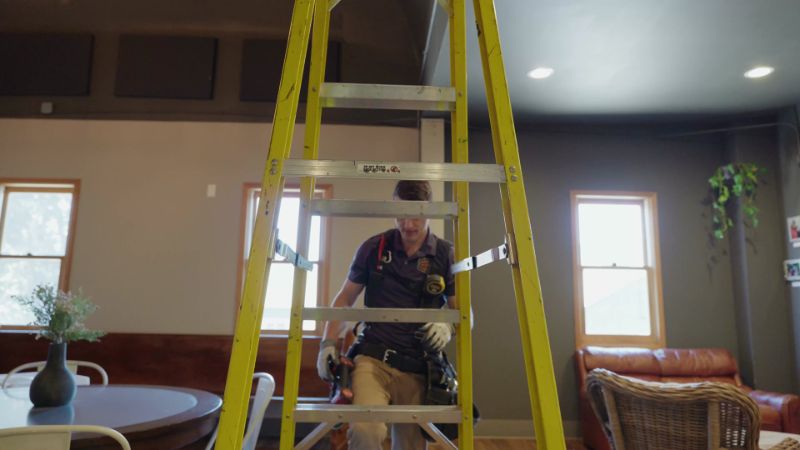
Most electrical panel upgrades take one full day to complete, typically six to eight hours from the utility disconnect to final inspection. You can expect a temporary power outage of one to two hours while the electrician swaps the panel and verifies grounding and bonding systems. Older homes, aluminum wiring, or permit scheduling can stretch that timeline considerably. There's more to the full picture than the installation itself.
Key Takeaways
A standard electrical panel upgrade typically takes one full day, ranging from six to eight hours for most installations.
Main breaker panel swaps are quicker than larger service upgrades or sub-panel installations, which may require follow-up visits.
Permit lead times and utility scheduling can delay project start dates, sometimes by several days or weeks.
Outdated wiring, corroded components, or aluminum wiring complications can add significant hours to the installation timeline.
Post-installation inspection scheduling can add one to five business days, with utility meter reconnection dependent on crew availability.
How Long Does a Panel Upgrade Actually Take?
For most homes, a standard panel upgrade takes one full day—typically six to eight hours from utility disconnect to final inspection sign-off. That window covers utility coordination, existing wiring assessment, new panel mounting, circuit transfer, bonding and grounding work, and final testing.
Panel types affect that timeline. A straightforward main breaker panel swap moves faster than upgrading to a larger service or installing a sub-panel with new feeder runs. Installation challenges—tight utility clearances, outdated wiring, aluminum branch circuits, or corroded grounding electrodes—can add hours or require a follow-up visit.
Permit scheduling and utility availability also influence the schedule. In most Portland metro jurisdictions, Heritage Electric coordinates the disconnect, inspection, and reconnection to keep your power off for the shortest time necessary.
What Affects the Timeline the Most
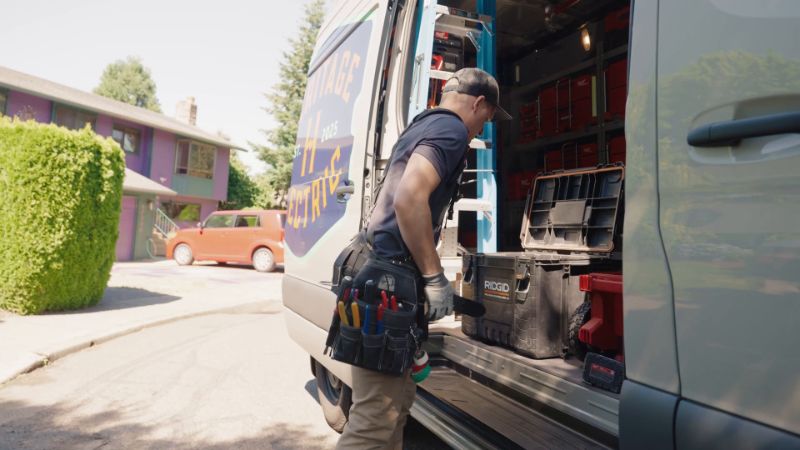
While the physical swap of a panel rarely causes delays, three variables consistently extend the job: utility scheduling, permit lead times, and existing site conditions. Utility disconnection windows vary by jurisdiction and can push your start date back several days. Municipal permit lead times introduce additional timeline variability, particularly in busier seasons. Site conditions drive project complexity—knob-and-tube wiring, undersized service entrance conductors, or a corroded meter base each add labor and materials before the new panel can be energized. Your grounding electrode system may also require upgrades to meet current NEC requirements. When you account for all three factors together, a job that takes four hours on the bench can stretch across several calendar days before the inspection is finaled and the work is closed out.
When Permits and Inspections Add Time
When you upgrade your electrical panel, you'll need a permit from your local jurisdiction—it's required because the work involves your main service entrance, which must meet current NEC and local code standards. Once your electrician completes the work, you'll schedule an inspection, and depending on your jurisdiction's workload, that appointment can add anywhere from a few days to over a week to your timeline. If your upgrade requires a service capacity change, your utility company must disconnect and reconnect power at the meter, and coordinating that window often introduces the longest delay in the entire project.
Why Permits Are Required
Electrical panel upgrades require permits because they involve changes to your home's service entrance—work that must comply with the National Electrical Code (NEC) and local amendments adopted by Oregon and your jurisdiction. Without a permit, unpermitted work can void your homeowner's insurance, create liability during a sale, and leave safety hazards undetected.
Permit types vary by jurisdiction but typically include an electrical permit and, when utility coordination is required, a separate service disconnect authorization. The application process involves submitting load calculations, scope of work, and contractor licensing documentation to your local building department. Heritage Electric handles the application process on your behalf, ensuring submittals are accurate and complete. This reduces rejection risk and keeps your project moving toward inspection without unnecessary delays.
Scheduling the Inspection
Once your permit is approved, the next variable affecting your project timeline is inspection scheduling. Most jurisdictions require two inspection types: a rough-in inspection before the panel is covered or energized, and a final inspection after all work is complete. Scheduling can add one to five business days depending on your local building department's availability.
To avoid delays, follow these scheduling tips: call or book online immediately after permit approval, confirm inspector requirements for site access, and have your inspection checklists ready before the inspector arrives. Inspectors typically verify grounding, bonding, breaker labeling, conductor sizing, and AFCI/GFCI protection. Your final inspection must pass before the utility restores power, so coordinating these steps efficiently keeps your overall inspection timeline on track.
Utility Coordination Delays
Even after your panel passes final inspection, utility coordination can add several unexpected days—or weeks—to your project timeline. Utility response times vary greatly depending on the provider's workload, season, and service area demand.
Common utility coordination delays include:
Meter pulls and reconnections — The utility must physically disconnect and reconnect your service, scheduling a crew around their availability, not yours.
Communication challenges between inspectors and utility providers — Inspection sign-off doesn't automatically trigger utility action; your contractor must submit separate documentation to initiate reconnection.
Capacity upgrade approvals — Upgrading to 400A service may require the utility to evaluate transformer capacity on your street before approving the new load.
A knowledgeable contractor manages these touchpoints proactively, reducing unnecessary wait time between inspection approval and full power restoration.
Does Your Home's Age or Wiring Change Anything?
If your home was built before the 1970s, you're likely looking at a longer upgrade timeline than a newer build. Knob-and-tube wiring can't simply be connected to a modern panel without remediation, since it lacks a ground conductor and may require partial rewiring to meet current NEC requirements. Aluminum branch-circuit wiring presents its own compliance issues, typically requiring dielectric grease, CO/ALR-rated devices, or pigtailing with copper at every termination point before the inspector will sign off.
Older Homes, Longer Timelines
Homes built before the 1970s often introduce complications that extend a panel upgrade well beyond a single day. Historical wiring and renovation challenges compound the scope of work your electrician must address before a new panel can be safely energized.
Three conditions commonly add time:
Knob-and-tube wiring requires isolation or replacement before connecting to a modern breaker panel, since it lacks a grounding conductor.
Aluminum branch circuit wiring needs COPALUM crimps or CO/ALR-rated devices at every termination point to meet current code.
Undersized or deteriorated service entrance conductors may require utility coordination and full service replacement alongside the panel swap.
Each condition adds inspections, materials, and labor. If your home predates 1970, budget for a two- to three-day project minimum.
Knob-And-Tube Wiring Complications
Knob-and-tube wiring, common in homes built before 1950, lacks a grounding conductor entirely, which creates a direct conflict with modern panel installations that require grounded circuits. These knob and tube risks extend beyond grounding deficiencies. The insulation surrounding the conductors is often brittle, heat-damaged, or compromised by insulation added during energy retrofits, which can cause dangerous heat buildup. Oregon code prohibits covering knob-and-tube wiring with thermal insulation without an electrical inspection and documented approval.
These wiring challenges mean your electrician can't simply swap the panel and close the permit. Inspectors will flag ungrounded circuits, requiring partial or full rewiring before final approval. Depending on how much of the original wiring remains active, remediation can add several days to your project timeline.
Aluminum Wiring Requires Attention
Aluminum wiring, installed in many homes built between 1965 and 1973, introduces its own set of complications when you're upgrading an electrical panel. Aluminum wiring risks stem from the metal's expansion and contraction tendencies, which loosen connections over time and create fire hazards. Safety precautions your electrician must address include:
Replacing aluminum-rated breakers with CO/ALR-rated devices compatible with aluminum conductors at the panel terminations.
Inspecting every connection point for oxidation, loose lugs, and overheating evidence before energizing the upgraded panel.
Installing AlumiConn connectors or applying antioxidant compound at splice points where aluminum meets copper conductors throughout the system.
These steps aren't optional — they're code-required measures that directly affect whether your panel upgrade passes inspection.
What to Expect on Installation Day
Once the permit is pulled and materials are staged, installation day typically runs six to eight hours for a standard 200A service upgrade. Your electrician will coordinate installation preparations with the utility company to schedule a temporary service disconnect, usually lasting one to two hours. Expect your power to be off during that window.
Safety measures include verifying the existing grounding and bonding system, isolating branch circuits, and confirming clearances around the new panel location meet NEC requirements. The old panel comes out, the new one mounts, and circuits transfer one by one. Your electrician will label each breaker, torque connections to spec, and call for inspection before restoring power. Plan to be home the entire day.
How to Schedule a Panel Upgrade in Portland
Scheduling a panel upgrade in Portland starts with a licensed electrical contractor who handles permitting through the City of Portland Bureau of Development Services or the relevant jurisdiction—Clackamas County, Washington County, or another local AHJ depending on your address. To move efficiently through the panel upgrade process, follow these scheduling tips:
Confirm your service address jurisdiction so your contractor pulls the correct permit from the right AHJ before work begins.
Schedule the utility disconnect with Portland General Electric or Pacific Power early—coordination delays are the most common bottleneck in the upgrade timeline.
Book your inspection window in advance, since inspection availability varies by jurisdiction and can add days to project completion.
Contact Heritage Electric to start your panel upgrade assessment today.
Frequently Asked Questions
How Much Does an Electrical Panel Upgrade Typically Cost in Portland?
You'll typically pay $1,500–$4,000+ in Portland, depending on cost factors like panel size and labor. Permit requirements add fees but guarantee code-compliant work. Heritage Electric handles all permitting for you.
Will My Power Be Completely off During the Panel Upgrade?
Yes, your power will be completely off during the panel upgrade. We'll coordinate temporary power solutions where possible and follow strict safety measures to minimize downtime while keeping your home code-compliant throughout the process.
Can I Stay Home While the Electrical Panel Is Being Replaced?
You can stay home during your panel upgrade, but you'll want to plan around the outage. We prioritize electrical safety and your home comfort, keeping disruptions minimal while completing all code-compliant work efficiently.
What Panel Brands or Manufacturers Does Heritage Electric Install?
Heritage Electric doesn't publicly list specific panel brands, but you can ask during your consultation. They'll recommend code-compliant panel brands that best suit your installation process, load requirements, and long-term reliability.
Does a Panel Upgrade Increase My Home's Resale Value?
Yes, upgrading your panel benefits your resale value by meeting modern code, supporting EV chargers, and increasing buyer confidence. Among key resale factors, updated electrical capacity signals a well-maintained, move-in-ready home to prospective buyers.