What Happens During an Electrical Panel Upgrade? Step-by-Step Process
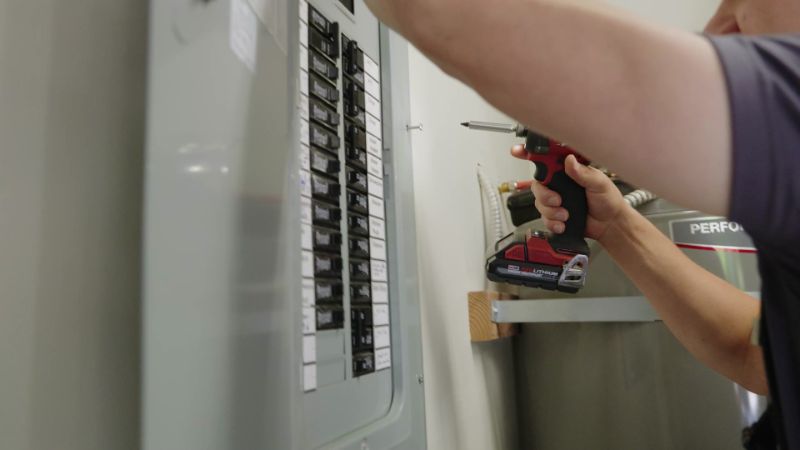
When you upgrade an electrical panel, the utility company disconnects power at the meter, and a licensed electrician removes your old panel, documents every circuit, and installs a new one sized for modern electrical demands. They'll connect service entrance conductors, transfer circuits, and verify zero voltage throughout the process. A permit and final inspection confirm everything meets current code before power is restored. There's quite a bit more to understand about each stage.
Key Takeaways
The utility company disconnects power at the meter before any work begins, ensuring the panel can be safely removed and replaced.
An electrician documents and labels all existing circuits before removing the old panel to ensure proper reconnection.
The new panel is mounted following clearance requirements, with service entrance conductors connected to the main breaker first.
All wiring is inspected for insulation integrity, and zero voltage is verified before connecting circuits to the new panel.
A final inspection is scheduled to confirm grounding, breaker labeling, and full compliance with NEC and local codes.
Why Most Homes Need a Panel Upgrade
Most homes built before the 1990s were wired for electrical loads that bear little resemblance to what modern households actually demand. A 60- or 100-amp service that once handled a few appliances and basic lighting now struggles under the weight of EV chargers, heat pumps, smart-home systems, and high-draw kitchen equipment. That strain creates real panel safety risks—overloaded circuits, nuisance tripping, and outdated breakers that may fail to interrupt faults properly.
Energy efficiency also suffers when aging infrastructure can't support modern load-management equipment or upgraded LED lighting controls. If your home has a Federal Pacific, Zinsco, or similarly outdated panel, the risk compounds further. Upgrading your panel isn't just a capacity decision—it's a foundational step toward a safer, more capable electrical system.

What to Expect Before Work Begins
Before any work begins, a licensed electrician will assess your existing service entrance, panel capacity, grounding and bonding, and load requirements. This evaluation shapes the entire scope of the upgrade.
Your pre-upgrade checklist should include:
Clearing access to the panel and service entrance
Notifying household members about planned outages
Locating permits and prior inspection records if available
Confirming your utility's disconnection schedule with your electrician
Homeowner responsibilities also include deciding where to relocate the panel if the current location is non-compliant or impractical. Heritage Electric handles permitting, utility coordination, and inspection scheduling, but accurate information from you upfront keeps the project on track. Knowing your current amperage and any recent electrical additions helps the electrician size the new service correctly.
How the Panel Replacement Actually Works
On the day of installation, your electrician coordinates with the utility company to disconnect power at the meter, giving them safe access to the service entrance. They then remove your old panel, disconnect each circuit, and pull the existing wiring free. Once the new panel is mounted and grounded, they reconnect each circuit to a properly sized breaker, restoring your home's power with a clean, organized, code-compliant system.
Disconnecting the Old Panel
Replacing an electrical panel begins with cutting power to your home. The utility company disconnects service at the meter, guaranteeing no live current enters the panel during removal. Your electrician then conducts a panel assessment, documenting existing circuits, breaker conditions, and wiring configurations before touching anything.
Key safety precautions during disconnection include:
Verifying zero voltage at the main lugs using a calibrated meter
Labeling every circuit to guarantee accurate reconnection later
Inspecting wire insulation for damage, corrosion, or improper modifications
Confirming grounding and bonding integrity before proceeding
Once the panel is confirmed de-energized, your electrician carefully removes breakers, disconnects branch circuit wiring, and detaches the main service conductors. This methodical approach protects both the crew and your home's wiring throughout the process.
Installing the New Panel
With the old panel removed and every circuit labeled, your electrician mounts the new enclosure in the same location or repositions it to meet current clearance requirements—36 inches of working space in front, 30 inches wide, and 6.5 feet of headroom. Panel types vary—standard load centers, main-lug panels, and tandem-breaker models—so your electrician selects the configuration that matches your service size and circuit count.
The service entrance conductors connect first to the main breaker, establishing fault-clearing capability before any branch wiring begins. Safety measures include torquing lugs to manufacturer specifications, separating neutral and ground buses correctly, and verifying conductor insulation isn't nicked during termination. Each circuit breaker installs into its designated slot, with conductors landed, labeled, and dressed neatly before the cover goes on.
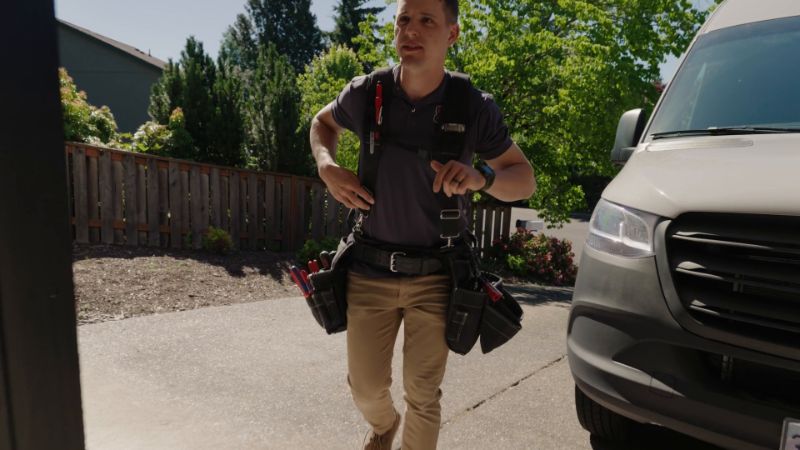
Permits, Inspections, and Utility Coordination
Before any work begins, your contractor pulls the required electrical permit from your local jurisdiction—this is non-negotiable and protects you legally and financially. Once the new panel is installed, you'll schedule a final inspection with the local authority having jurisdiction (AHJ), where an inspector verifies the work meets current NEC and local code requirements. Skipping either step can void your homeowner's insurance, complicate a future home sale, and leave you personally liable for any code violations.
Pulling the Required Permits
Pulling a permit isn't optional—it's a legal requirement for any panel upgrade in Oregon, and your electrician handles this step before touching the existing equipment. Permit requirements exist to guarantee the work meets current electrical codes and gets reviewed by a licensed inspector.
Your electrician submits documentation to the local building department that typically includes:
Scope of work describing the panel replacement or service upgrade
Load calculations confirming the new service capacity meets demand
Equipment specifications for the new panel and breakers
Contractor licensing information verifying the electrician is state-certified
Once the permit is issued, work can begin legally. Skipping this step creates liability, voids insurance claims, and causes problems when selling your home.
Scheduling the Final Inspection
Once your electrician pulls the permit and completes the panel installation, the job isn't done—a licensed inspector must sign off on the work before it's considered code-compliant and legally finished. Your contractor schedules the final inspection directly with the local authority having jurisdiction (AHJ), typically the city or county building department.
During the final inspection, the inspector works through a standard inspection checklist covering grounding and bonding connections, breaker labeling, wire gauge compatibility, clearance requirements, and proper enclosure installation. Any deficiencies must be corrected before approval is granted.
Once the inspector signs off, the utility company reconnects service, restoring power to your home. Your electrician should provide you with a copy of the approved permit, confirming the upgrade meets all applicable electrical codes.
How Long Does a Panel Upgrade Take?
Most panel upgrades take between four and eight hours to complete, though the actual timeline depends on the scope of work, the condition of your existing wiring, and whether utility coordination is required. Expanding panel capacity or correcting existing electrical safety issues can add time.
Key factors that influence the schedule:
Service size: Upgrading from 100A to 200A or 400A requires more extensive work than a like-for-like replacement
Utility coordination: Scheduling a disconnect and reconnect adds lead time outside your electrician's control
Wiring condition: Outdated or deteriorated wiring may require remediation before the new panel can be energized
Permit complexity: Jurisdictions vary in processing speed, affecting your overall project timeline
What Changes After Your Panel Is Upgraded
After the work is complete and power is restored, you'll notice immediate and lasting differences in how your electrical system performs. Improved safety comes from arc-fault and ground-fault protection built into modern breakers. Enhanced efficiency and energy savings result from circuits that no longer strain under load. Increased capacity means you can run high-draw appliances, EV chargers, and HVAC equipment simultaneously without tripping breakers. Better performance shows up as stable voltage across all circuits. Modern features like individual breaker labeling and open slots for future circuits give you flexibility. Code compliance protects your home's insurability and resale value. Future readiness means your panel can support solar, battery storage, or additional loads without requiring another full upgrade.
Frequently Asked Questions
Does a Panel Upgrade Affect My Homeowner's Insurance Rates?
A panel upgrade can lower your homeowner's insurance rates. Insurers use risk assessment to evaluate your home's electrical system, and modern panels reduce insurance implications by minimizing fire hazards, often qualifying you for premium discounts.
Can I Stay Home While the Electrical Panel Is Being Replaced?
You can stay home, but expect extended power interruptions throughout the process. Take basic safety precautions by staying clear of the work area. Heritage Electric's technicians will let you know when temporary outages will occur.
Will a Panel Upgrade Increase My Home's Resale Value?
Yes, a panel upgrade can boost your home's resale benefits by signaling updated, safe electrical capacity to buyers. It increases market appeal, as modern panels attract offers and may justify a higher asking price.
Is Financing Available for Electrical Panel Upgrades?
Heritage Electric can discuss financing options and payment plans that fit your budget. Contact them directly to explore what's available for your panel upgrade project and get started on improving your home's electrical capacity.
How Do I Choose Between a 200A and 400A Panel Upgrade?
Choose 200A if your current needs are modest, but opt for 400A if you're planning future expansion like EV chargers, ADUs, or large appliances. Heritage Electric can assess your load requirements accurately.