10 Signs You Need an Electrical Panel Upgrade
Your electrical panel needs an upgrade if breakers trip constantly, lights flicker when you run the microwave, or outlets show scorch marks. Other red flags include a fuse-based panel, 100-amp service, breakers that won't reset, burning smells near the panel, or a unit that's 25-plus years old. Adding an EV charger or renovating also strains outdated systems. Keep going to learn exactly what each warning sign means for your home's safety.
Key Takeaways
Frequent breaker trips signal circuit overload and panel strain, indicating your system may need an upgrade to handle modern electrical demands.
Flickering or dimming lights when appliances operate suggest insufficient amperage and inadequate load distribution within your current electrical panel.
Panels older than 25 years, especially outdated brands like Federal Pacific or Zinsco, may pose serious safety risks requiring replacement.
Burning smells or scorch marks near your panel indicate dangerous overheating, requiring immediate consultation with a licensed electrician.
Adding major appliances, EV chargers, or completing renovations can exceed your panel's capacity, necessitating an upgrade to 200-amp service.
Your Breakers Trip More Than Once a Month
Breakers trip for a reason — they're protecting your circuits from drawing more current than the wiring can safely handle. An occasional trip isn't cause for alarm. But if you're resetting the same breaker repeatedly, that's a symptom of circuit overload, not bad luck.
Frequent tripping accelerates breaker wear. Each thermal-mechanical cycle degrades the internal components, reducing the breaker's ability to respond accurately to fault conditions. A worn breaker may trip too early, too late, or not at all — the last scenario being the most dangerous.
Persistent overloads usually mean your panel lacks the capacity your home actually demands. Resetting the breaker doesn't fix the underlying problem. A licensed electrician can assess whether a panel upgrade is the right solution.
The Panel Still Uses Fuses Instead of Breakers
If your home still has a fuse panel, you're working with technology that predates modern circuit breakers by decades. Unlike breakers, fuses can't be reset—once blown, they require replacement, and the wrong fuse size can allow dangerous overcurrents to pass unchecked through your wiring. If your home has a fuse-based panel, upgrading to a modern breaker panel isn't optional—it's a safety and reliability necessity.
Fuses Versus Circuit Breakers
Older homes throughout the Portland metro area often still have fuse-based electrical panels, and if yours is one of them, it's a clear sign that an upgrade is overdue. Unlike modern breakers, fuses burn out and require replacement rather than simply resetting. Common fuse types also lack the circuit safety features that breakers provide.
Here's why breakers outperform fuses:
Resettable protection – Breakers trip and reset; fuses must be replaced after every fault
Accurate amperage control – Fuses can be swapped for incorrect ratings, creating fire hazards
Arc-fault detection – Modern AFCI breakers identify dangerous arcing that fuses can't detect
Code compliance – Most current electrical codes require breaker-based panels
Upgrading eliminates these risks and brings your home's electrical system in line with modern safety standards.
Risks of Fuse Panels
Fuse panels introduce risks that go well beyond simple inconvenience. Incorrect fuse replacement is one of the most serious hazards—when a fuse blows, it's tempting to install a higher-rated fuse to stop the repeated interruptions. That substitution defeats the entire point of fuse safety, allowing wiring to carry more current than it was designed to handle and creating a direct path to an electrical fire.
Older fuse panels also lack the arc-fault and ground-fault protection built into modern breakers. They weren't engineered to support today's electrical loads, and their age alone increases the likelihood of deteriorated connections and insulation. If your home still runs on a fuse panel, you're operating with a system that no longer meets current safety standards and should be replaced.
When to Upgrade
A fuse panel isn't just outdated—it's a clear signal that your electrical system needs to be replaced. Recognizing the upgrade indicators early helps you avoid safety hazards and capacity shortfalls before they become serious problems.
Schedule a panel upgrade if you notice any of the following:
Fuses blow repeatedly under normal household loads
You're adding high-draw appliances that exceed your current electrical capacity
Your home insurance carrier flags the fuse panel as a liability
You're planning a renovation, EV charger installation, or major system addition
Each of these conditions signals that your existing panel can't meet modern demand. Replacing it with a breaker-based system restores safety, increases electrical capacity, and positions your home's infrastructure to handle current and future loads reliably.
You're Adding a Major Appliance or EV Charger
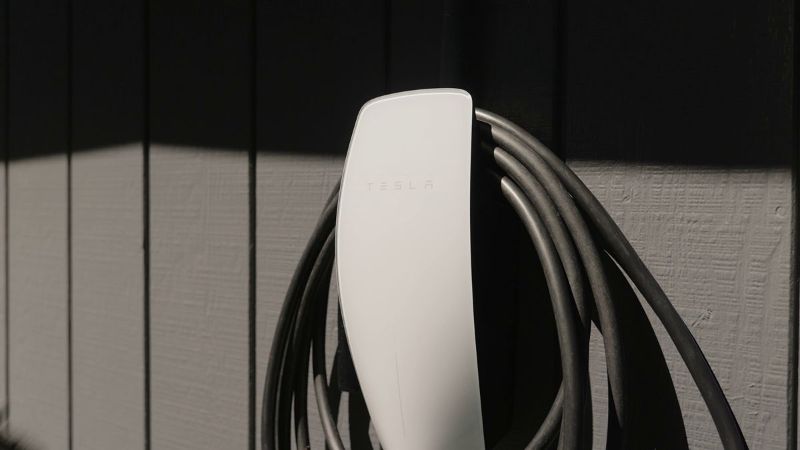
When you add a major appliance—an electric range, heat pump, dryer, or EV charger—you're placing a sustained, high-amperage load on a system that may not have the capacity to handle it. Major appliance impact is immediate: each new load claims dedicated circuit capacity, and an already-strained panel can't absorb it safely.
EV charger considerations add another layer of complexity. A Level 2 charger requires a dedicated 240V circuit drawing 40–50 amps continuously. If your panel's at or near capacity, that circuit doesn't exist without an upgrade. Attempting to force it risks tripped breakers, overheated wiring, and potential fire hazards. Before any major installation, have a licensed electrician assess your current service capacity and determine whether an upgrade is necessary.
Lights Flicker When You Run the Microwave
Flickering lights the moment you run the microwave signal a panel struggling under load demand. Microwaves draw 1,000–1,500 watts instantly, exposing circuits already operating near capacity. Flickering lights during microwave usage aren't a minor nuisance—they're a diagnostic symptom pointing to insufficient amperage or deteriorating panel components.
Watch for these warning signs:
Lights dim or flicker specifically when the microwave starts
Flickering lights appear in rooms on unrelated circuits
Your breaker trips repeatedly during normal microwave usage
Multiple appliances lose performance when the microwave runs
These patterns indicate your panel can't distribute load efficiently. A 200A upgrade typically resolves chronic voltage fluctuations caused by high-draw appliances competing for limited capacity. Don't ignore what flickering lights are telling you.
Breakers That Won't Reset or Stay Tripped
Breakers that won't reset or stay tripped point to a more severe problem than flickering lights. A breaker that trips repeatedly is doing its job—protecting your wiring from overload—but one that won't reset signals internal failure or a persistent fault downstream. At that point, breaker maintenance isn't optional; it's a safety obligation.
Forcing a breaker to reset without identifying the root cause creates real electrical safety risk. Damaged breakers lose their ability to interrupt fault current, leaving your wiring exposed to sustained overloads that can ignite insulation or junction boxes. If a breaker trips immediately after reset, stop resetting it and call a licensed electrician. A panel producing multiple failed breakers is likely undersized, aged past its service life, or carrying loads it was never designed to handle.
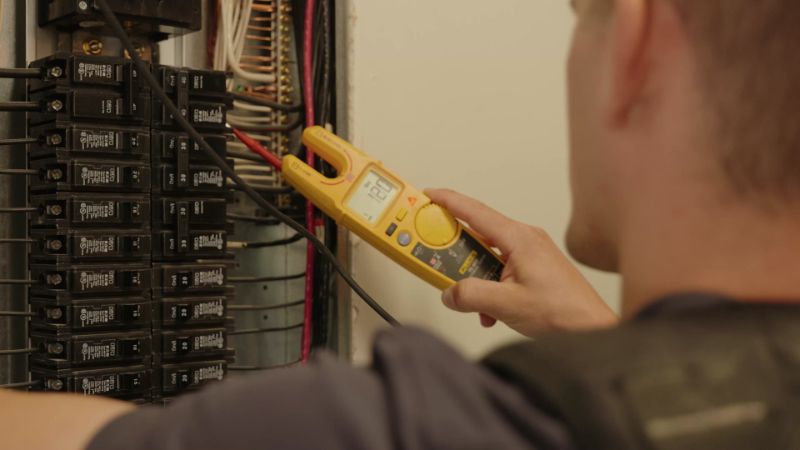
You Smell Burning Near the Electrical Panel
If you smell burning near your electrical panel, you're likely detecting overheated insulation, arcing conductors, or a failing breaker—all serious faults that can ignite a fire. Ignoring that smell puts your home and everyone in it at immediate risk, since electrical fires can spread inside walls before you ever see a flame. Shut off the main breaker if it's safe to do so and call a licensed electrician right away.
What Burning Smells Indicate
A burning smell near your electrical panel is never normal and demands immediate attention. Burning odors signal electrical overheating, which can escalate into a fire within minutes. Identify what's causing the smell immediately.
Common sources of burning odors include:
Melting insulation – Excessive heat degrades wire coating, exposing bare conductors
Overloaded circuits – Too much current generates heat that scorches components
Loose connections – Poor contact points create arcing, burning surrounding materials
Failing breakers – Worn breakers overheat internally, producing acrid plastic smells
Don't reset breakers or ignore the odor hoping it resolves. Shut off the main breaker if the smell intensifies, evacuate if necessary, and contact a licensed electrician immediately. Electrical overheating requires professional diagnosis, not a wait-and-see approach.
Ignoring It Is Dangerous
Dismissing a burning smell near your electrical panel puts your home at serious risk. Overheated wiring, failing breakers, and loose connections don't resolve themselves — they escalate. Continued electrical demand on a compromised panel increases the likelihood of arc faults, melted insulation, and ultimately, fire. You're not dealing with a minor inconvenience; you're dealing with a structural hazard that threatens everything inside your home.
Electrical safety depends on acting before failure occurs, not after. If you've noticed burning odors, schedule a professional home inspection immediately. A licensed electrician can identify whether your panel requires repair, replacement, or a full service upgrade. Delaying that call doesn't reduce the risk — it compounds it. The cost of ignoring the warning far exceeds the cost of addressing it.
Call an Electrician Immediately
Burning smells near your electrical panel aren't something you investigate later — they demand immediate action. Scorched plastic, melting insulation, or acrid odors signal a potentially dangerous failure inside your panel. Don't reset breakers or touch anything — evacuate if necessary and call a licensed electrician immediately.
A qualified electrician will assess:
Overheated breakers that have failed or are on the verge of failing
Burned wiring insulation caused by sustained overcurrent conditions
Loose or arcing connections creating localized heat buildup
Panel components compromised by age or overload damage
Electrical safety depends on treating these warning signs as emergencies, not inconveniences. Proper panel maintenance catches deteriorating components early, but a burning smell means deterioration has already progressed. Contact Heritage Electric immediately for a full panel inspection.
Your Home Still Has a 100-Amp Service
Many older homes in the Portland area still run on 100-amp service, and while that capacity handled the electrical demands of decades past, it falls short of what modern households require. Today's homes run EV chargers, heat pumps, electric ranges, and multiple high-draw appliances simultaneously. That load easily exceeds what a 100-amp panel can safely support.
Insufficient electrical capacity forces your panel to work beyond its design limits, increasing the risk of overheating, tripped breakers, and fire. It also puts your home out of step with current safety standards, which can create problems during home sales, insurance renewals, and permit inspections.
Upgrading to 200-amp or 400-amp service gives your home the headroom it needs to operate safely and support modern electrical demands without compromise.
Outlets Feel Warm or Show Scorch Marks
Warm outlets and scorch marks are warning signs you shouldn't ignore. Both indicate dangerous faults that compromise electrical safety and often trace back to panel-level problems.
Common causes include:
Overloaded circuits pushing more current than wiring can safely handle
Loose connections at the breaker or bus bar generating resistance heat
Undersized breakers that fail to trip before damage occurs
Deteriorated wiring insulation allowing arcing near outlet boxes
Don't treat discoloration or warmth as routine outlet maintenance issues. These symptoms frequently mean your panel can't manage your home's actual load. A licensed electrician can inspect both the outlet and the panel to identify whether a breaker, connection, or full service upgrade is the correct fix.
You're Renovating or Adding Square Footage
Home renovations and additions increase electrical demand in ways your existing panel may not be equipped to handle. A kitchen remodel adds high-draw appliances. A finished basement or home office requires dedicated circuits. An addition means new outlets, lighting, and HVAC loads. Each layer of home expansion compounds the strain on your existing electrical capacity.
If your panel is already near capacity, a renovation can push it past its limits—triggering breaker trips, code violations, or failed inspections. Most municipalities require a permit review during renovation, which often flags undersized panels outright.
Before breaking ground, have your panel evaluated. Upgrading to 200A or 400A service during the renovation keeps the project compliant, avoids costly mid-project corrections, and guarantees your expanded space is fully and safely powered.
Your Panel Is 25 or More Years Old
Renovation plans aren't the only reason to evaluate your panel—age alone is grounds for concern. Panel lifespan typically ranges from 25 to 40 years, and older units weren't engineered to handle today's electrical loads. Degraded components compromise electrical safety and increase failure risk.
Watch for these warning signs in aging panels:
Breakers that trip frequently under normal household loads
Corrosion, rust, or burn marks inside the panel enclosure
Obsolete brands like Federal Pacific, Zinsco, or pushmatic panels
Undersized capacity, typically 60A or 100A service, insufficient for modern demand
If your panel predates the mid-2000s, schedule a professional inspection. A licensed electrician can assess whether replacement is necessary before a failure creates a hazard.
Frequently Asked Questions
How Much Does an Electrical Panel Upgrade Typically Cost in Portland?
Panel upgrade costs in Portland typically run $1,500–$5,000+, depending on cost factors like service size and labor. You'll gain upgrade benefits including improved safety and capacity. Heritage Electric handles permitting, inspections, and utility coordination.
How Long Does a Panel Upgrade Take to Complete?
Most panel upgrades take 4–8 hours to complete. Your installation process depends on key time factors like service size, permit scheduling, and utility coordination. Complex upgrades requiring trenching or rewiring can extend the timeline considerably.
Will My Homeowner's Insurance Cover an Electrical Panel Replacement?
Your insurance coverage depends on your insurer and policy limitations. Most policies won't cover routine upgrades, but they may cover replacement if a covered peril—like fire or storm damage—caused your panel's failure.
Do I Need a Permit for an Electrical Panel Upgrade in Oregon?
Yes, you'll need a permit for an electrical panel upgrade in Oregon. Permit requirements guarantee inspections verify safe, code-compliant work—one of the key upgrade benefits. Heritage Electric handles all permitting and inspections for you.
Can I Stay Home During an Electrical Panel Upgrade?
You can stay home during a panel upgrade, but you'll need to follow safety precautions and prepare for power interruptions lasting several hours. Avoid the work area entirely and keep children and pets away.