What to Do If You Smell Burning From an Outlet or Panel
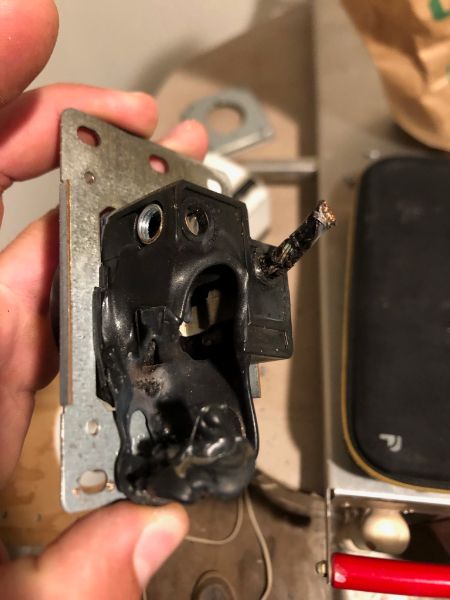
If you smell burning from an outlet or panel, stop using it immediately. Unplug any devices from the affected outlet and shut off the breaker controlling that circuit. Don't flip switches or press reset buttons. This smell means your electrical system is already failing — it could be overheated wiring, a loose connection, or an overloaded circuit. Call a licensed electrician right away. There's a lot more you need to know before this becomes a fire.
Key Takeaways
Stop using the outlet or panel immediately, unplug connected devices, and avoid flipping switches or pressing reset buttons.
Shut off the breaker controlling the affected circuit to eliminate the immediate risk of fire or further damage.
Common causes include loose connections, overloaded circuits, degraded wiring, and faulty outlets generating excessive heat.
Call a licensed electrician to inspect for melted insulation, loose connections, and faulty receptacles requiring repair or replacement.
Install AFCI and GFCI protection where required, and schedule professional electrical inspections every several years to prevent future hazards.
What a Burning Smell From an Outlet or Panel Actually Means
A burning smell from an outlet or panel isn't just an inconvenience—it's a warning sign that something in your electrical system is actively failing. That burning odor typically means wiring insulation is overheating, a connection has loosened and is arcing, or a circuit is carrying more load than it's rated to handle. Each of these conditions creates real electrical hazards—including the risk of fire inside your walls before any visible flame appears. Panels can emit a burning smell when breakers overheat, when wiring connections corrode, or when the panel itself is undersized for your home's demand. Outlets may smell when internal contacts wear out or when wiring behind them overheats. Either way, the smell is a signal that requires immediate attention, not a wait-and-see response.
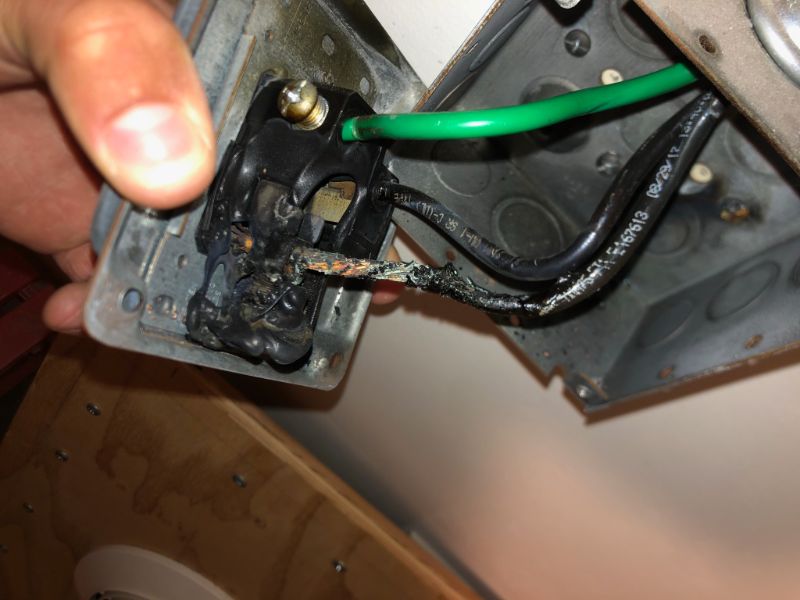
Stop Using It Immediately: Your First Steps
The moment you smell burning from an outlet or panel, stop using it and unplug anything connected to it. Don't flip the switch or press the reset button—just leave it alone. These immediate actions reduce the risk of arcing, ignition, or shock.
Next, go to your electrical panel and shut off the breaker controlling that circuit. If the smell is coming from the panel itself, shut off the main breaker if it's safe to do so and leave the area. These safety precautions matter because electrical fires can ignite inside walls before you see any visible flame.
Once you've cut power, don't restore it yourself. Call a licensed electrician to inspect the outlet, wiring, and panel before that circuit is used again.
Common Causes Behind Electrical Burning Smells
Burning smells from outlets rarely appear without cause—loose connections, overloaded circuits, and degraded wiring are among the most common culprits. A loose wire creates resistance at the connection point, generating heat that scorches surrounding insulation. Overloaded circuits draw more current than the wiring can safely handle, producing the same result. In older homes, wiring issues like deteriorated insulation, knob-and-tube systems, or aluminum conductors introduce additional risk. Faulty outlets, worn receptacle contacts, and failing devices plugged into the circuit can also ignite the smell. In some cases, the source isn't the outlet itself but the panel—a loose breaker connection or an overloaded bus bar can produce burning odors that travel through the wiring. Each of these conditions warrants immediate professional evaluation.
When to Call an Electrician vs. When to Call 911
If you see flames, notice sparking, or can't locate and safely shut off the affected circuit, call 911 immediately rather than attempting to handle the situation yourself. When there's no active fire and you've successfully cut power to the circuit, the situation is likely stable enough to contact a licensed electrician for diagnosis and repair. Making the right call comes down to one question: is the hazard still active, or has it been safely contained?
Signs Requiring Emergency Response
Knowing whether to call 911 or a licensed electrician can mean the difference between a precautionary fix and a life-threatening emergency. Call 911 immediately if you see active flames, smoke spreading beyond a single outlet, or sparks that won't stop. These signs indicate overheating wires or faulty connections that have already progressed beyond a contained electrical fault.
You should also call 911 if anyone in the home feels dizzy, smells strong burning throughout multiple rooms, or if the panel is crackling loudly with visible arcing. Don't attempt to investigate further yourself.
Call a licensed electrician when the smell is faint, isolated, and there's no visible fire or sparking. An electrician can safely diagnose the source before the problem escalates into an emergency.
Safe Situations for Electricians
Once the immediate danger is ruled out, a licensed electrician—not emergency services—is the right call. If the burning smell has stopped, there's no visible fire, no one's injured, and the affected circuit is off, you're in a situation where electrician training and safety protocols apply rather than a 911 response.
Call an electrician when you're dealing with a scorched outlet that's no longer active, a breaker that tripped and won't reset, flickering lights tied to a specific circuit, or a panel that smells faintly of heat but shows no active arcing. These are diagnostic and repair scenarios. A licensed electrician can safely identify the failure point, assess related wiring, and make code-compliant repairs before the problem escalates into an emergency.
Making the Right Call
The decision between calling 911 or a licensed electrician comes down to one factor: whether active danger is present. If you see flames, smoke, or sparks, or if someone has been shocked, call 911 immediately. These conditions require urgent response from emergency personnel, not an electrician.
Once the scene is safe and the hazard is contained, electrical safety becomes the priority. Shut off the circuit at the panel, avoid using the outlet, and call a licensed electrician to assess the damage. A burning smell without visible fire or injury typically signals a wiring fault, failed device, or overloaded circuit—all of which require professional diagnosis.
Don't attempt repairs yourself. The underlying cause of burning smells is rarely obvious, and incorrect handling can turn a contained problem into a serious one.
What an Electrician Will Check and Fix
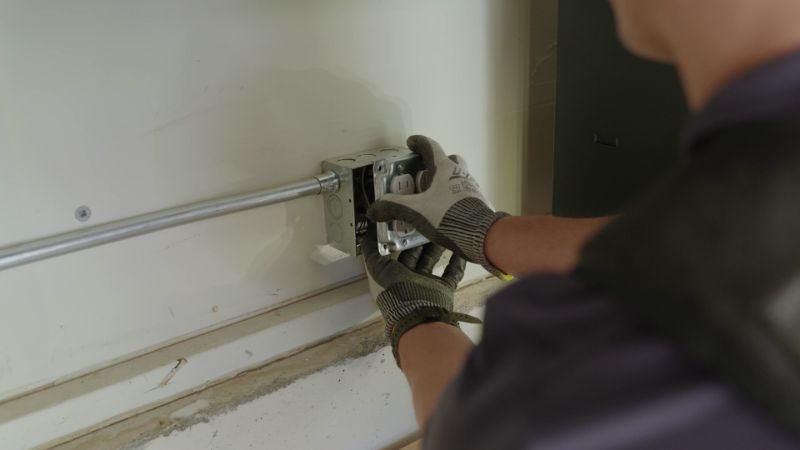
When an electrician arrives, they'll start by inspecting the outlet, wiring connections, and surrounding circuits to pinpoint the source of the burning smell. Common culprits include loose wire connections, overloaded circuits, melted insulation, faulty receptacles, and outdated wiring such as aluminum or knob-and-tube. Once they've identified the cause, they'll recommend and perform the appropriate fix—whether that's tightening connections, replacing a damaged outlet, upgrading a circuit, or rewiring the affected area entirely.
Common Causes Identified
After an electrician inspects your outlet, they'll typically pinpoint one of several common root causes behind the burning smell. Overloaded circuits are among the most frequent findings—too many high-draw devices sharing a single circuit causes excessive heat buildup in wiring and receptacles. Faulty wiring is another leading cause, including loose connections, damaged insulation, or improperly spliced conductors that generate arcing and heat.
Other common causes include:
Failed outlet components – Internal contacts wear out or corrode, creating resistance and heat
Undersized wiring – Wire gauge too small for the circuit's amperage demand
Deteriorated breaker connections – Loose or corroded breaker terminals in the panel
Rodent damage – Chewed insulation exposing bare conductors
Each cause requires a specific repair rather than a temporary fix.
Repairs and Solutions
Once your electrician identifies the root cause, repairs follow a clear, targeted path. They'll replace damaged outlets, tighten loose connections, or upgrade undersized wiring to match your circuit's actual load. If the panel is the source, they'll address overloaded breakers, failed components, or corroded bus bars directly.
Common repairs include:
Outlet or receptacle replacement with code-compliant GFCI or AFCI devices where required
Panel repairs or upgrades, including breaker replacement or full service upgrades to 200A or 400A capacity
Wiring corrections, such as replacing aluminum branch wiring or deteriorated insulation
After repairs, your electrician will review safety precautions specific to your system and recommend routine maintenance intervals. Catching issues early through scheduled inspections prevents the conditions that cause burning smells from developing in the first place.
How to Prevent This From Happening Again
Preventing outlet fires starts with understanding what causes them. Most problems stem from overloaded circuits, deteriorating wiring, or outdated panels that can't handle modern electrical demands. Consistent outlet maintenance—checking for discoloration, loose connections, and warm faceplates—helps you catch issues before they escalate.
Replace aging outlets, particularly ungrounded two-prong receptacles, and install AFCI and GFCI protection where code requires it. Avoid daisy-chaining power strips or running high-draw appliances on shared circuits.
If your home still has a 100-amp panel or Federal Pacific, Zinsco, or pushmatic breakers, panel upgrades aren't optional—they're a safety priority. Scheduling a professional electrical inspection every several years gives you a clear picture of your system's condition and identifies vulnerabilities before they become emergencies.
Frequently Asked Questions
Can a Burning Smell From an Outlet Affect My Homeowner's Insurance?
Yes, it can affect your coverage. If you've ignored a known hazard, your insurer may dispute claims citing negligence. Understanding your policy's insurance implications and coverage limits helps you act fast and stay protected.
How Long Does an Electrical Inspection Typically Take to Complete?
Most home electrical inspections take 1–2 hours, depending on your home's size and complexity. Your inspector works through a detailed inspection checklist, and the inspection duration can extend if they uncover wiring concerns needing closer evaluation.
Will I Need Permits if an Electrician Replaces a Faulty Outlet?
For a simple outlet replacement, you typically won't need a permit. However, if it involves new wiring or circuit work, permits may apply. Proper outlet safety and electrical maintenance guarantee the work meets code requirements.
How Much Does It Cost to Fix a Burning Electrical Outlet?
Outlet repair costs vary, but you'll typically pay $100–$200 for a single outlet replacement. For electrical safety tips and an accurate quote, contact Heritage Electric—burning outlets can signal serious wiring issues requiring immediate professional attention.
Can Burning Outlet Smells Cause Harmful Indoor Air Quality Issues?
Yes, a burning outlet can release toxic fumes that directly compromise your air quality and create serious health risks. You're likely inhaling melting plastic, insulation, or overheated wiring byproducts—evacuate immediately and don't delay calling an electrician.