Landscape & Outdoor Lighting Installation Cost in Portland
Installing landscape and outdoor lighting in Portland typically costs between $200 and $600 per fixture, including labor and materials. Your final price depends on fixture type, wire run lengths, transformer capacity, and site conditions. Low-voltage LED path lights are the most affordable option, while architectural and hardwired systems push costs higher. Choosing LED fixtures reduces long-term operating expenses and increases overall value. Keep exploring to understand exactly what's driving your estimate up—and how to control it.
Key Takeaways
In Portland, landscape lighting installation typically costs $200 to $600 per fixture, covering both labor and materials.
Fixture type drives pricing: low-voltage LED path lights run $15–$80, while cast brass uplights exceed $300.
Portland's wet climate makes material quality critical; polymer housings degrade faster than brass or copper alternatives.
Licensed electricians are required for line-voltage installations in Portland to meet local safety and compliance codes.
Installing LED fixtures, running conduit upfront, and pulling permits reduces long-term costs and avoids resale complications.
What Does Outdoor Lighting Installation Cost in Portland?
Landscape lighting installation in Portland typically costs between $200 and $600 per fixture, all-in, once you factor in labor, wiring, and materials. Where you land in that range depends on fixture type, wire runs, transformer capacity, and site conditions like trenching through roots or hardscape.
Low-voltage LED path lights sit at the lower end. Architectural fixtures, in-ground uplights, and hardwired line-voltage systems push costs higher. Energy efficiency plays a direct role in long-term value—LED fixtures cost more upfront but reduce operating expenses considerably over time.
Current design trends also influence pricing. Layered lighting schemes, color-tunable fixtures, and smart controls add complexity and cost. You're not just buying fixtures—you’re paying for a system engineered to perform reliably in Portland's wet, variable climate.
What Affects the Price of Landscape Lighting?
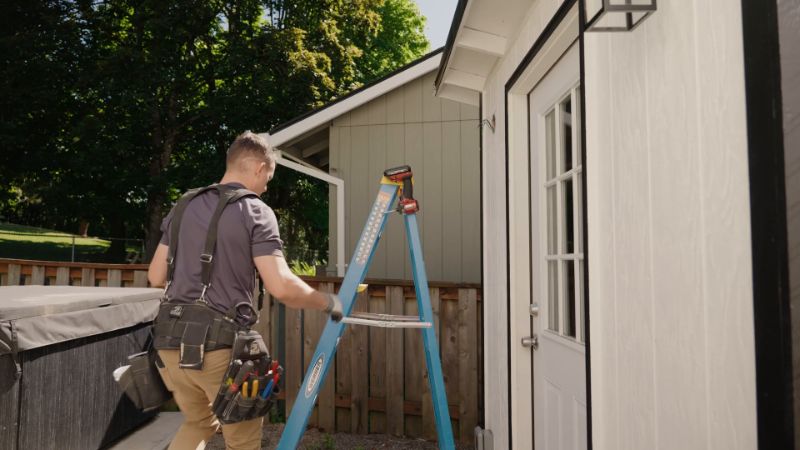
Several variables determine what you'll pay for landscape lighting installation, but fixture type and layout complexity have the most direct impact on your final cost. The fixtures you choose—whether low-voltage path lights, in-ground well lights, or high-output flood fixtures—vary widely in quality, durability, and price point. The complexity of your layout, including the number of zones, trenching requirements, and terrain obstacles, drives labor costs up or down considerably.
Fixture Type and Quality
Fixture type and quality rank among the most direct cost drivers in any landscape lighting project. Low-voltage LED path lights typically run $15–$80 per fixture, while cast brass or copper uplights, known for superior fixture durability, range from $80–$300 or more. Polymer and die-cast aluminum housings cost less upfront but degrade faster in Portland's wet climate, increasing long-term replacement costs.
Energy efficiency also factors into your total investment. Higher-quality LED fixtures carry steeper purchase prices but consume considerably less power and last 25,000–50,000 hours, reducing both utility bills and maintenance cycles. Cheaper fixtures often use inferior drivers that fail prematurely.
Architectural or custom fixtures—pendants, lanterns, and designer-grade path lights—command premium pricing but deliver aesthetic and performance returns that commodity fixtures simply can't match.
Scope and Layout Complexity
Beyond fixture selection, the overall scope and layout complexity of your project will shape labor hours and material runs more than almost any other variable. A straightforward front-walkway installation with six path lights and a single transformer is a contained job. A multi-zone layout design covering a backyard perimeter, garden beds, a tree canopy, and a driveway is not.
Installation techniques vary considerably depending on terrain, existing hardscape, and circuit routing. Rocky soil, root systems, or concrete flatwork all increase trenching time and labor costs. Each additional zone requires its own wiring run, connections, and transformer capacity. If your layout demands low-voltage wire buried beneath pavers or fed through conduit, expect higher material and labor charges. Complexity scales directly with scope.
Common Outdoor Lighting Types and What They Cost
Outdoor lighting breaks down into a handful of distinct fixture types, each with its own installation complexity and price range. What you choose directly affects your total project cost.
Solar lights: Minimal install cost, no wiring required, but limited output and reliability
Pathway lighting: Low-voltage systems typically run $200–$600 installed for a standard run
Accent lights: Uplights and spotlights for trees or architecture range from $100–$300 per fixture installed
Security lighting: Motion-activated or hardwired floodlights run $150–$400 per fixture depending on placement
Deck and step lighting: Recessed or surface-mounted fixtures average $100–$250 per light installed
Hardwired fixtures cost more upfront but deliver consistent performance. Solar lights trade installation savings for lower reliability, especially through Portland's overcast winters.
DIY vs. Hiring a Licensed Portland Electrician
Landscape lighting feels approachable as a DIY project, but the line between low-voltage and line-voltage work matters greatly here. Low-voltage systems using plug-in transformers carry fewer DIY challenges, though improper wire burial depth, overloaded transformer capacity, and poor fixture placement still produce weak, uneven results.
Line-voltage installations—those running 120V circuits to outdoor fixtures, junction boxes, or post lights—require a licensed Portland electrician by code. Safety considerations include shock risk, moisture exposure, and improper GFCI protection, all of which carry real consequences.
Beyond compliance, electrician benefits extend to design expertise. A professional assesses your property's layout, selects appropriate fixtures, calculates load requirements, and integrates controls like dimmers or timers. That knowledge consistently produces better outcomes than most DIY attempts deliver.
How to Get the Most Value From Your Lighting Budget
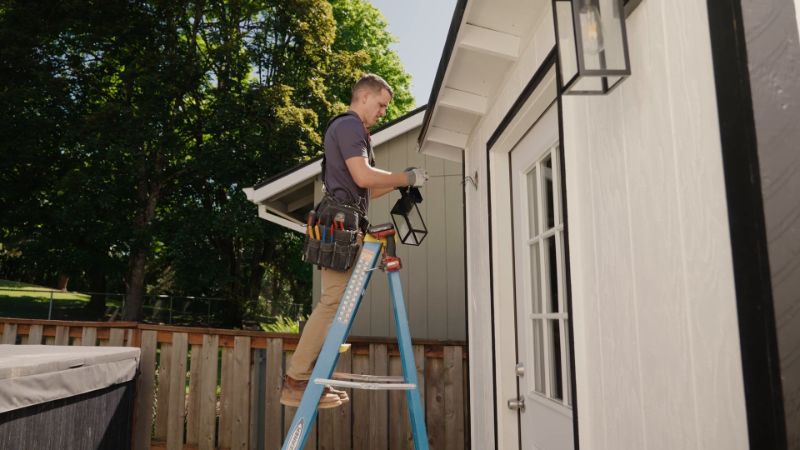
Getting the most from a landscape lighting budget starts with separating what needs a licensed electrician from what doesn't. Low-voltage pathway lights are budget-friendly options you can handle yourself. Reserve your electrical spend for 120V circuits, GFCI protection, and permanent fixture wiring.
Maximize value by following these five principles:
Install LED fixtures exclusively—they're the most energy-efficient solutions available and cut long-term operating costs
Run conduit during initial installation to avoid trenching costs later
Group fixtures on shared circuits to reduce wiring runs
Use a Lutron-compatible dimmer to extend bulb life and lower consumption
Pull permits upfront to avoid costly corrections at resale
Strategic planning at the start prevents expensive rework and guarantees your system performs safely for years.
What to Expect From the Installation Process
Once your budget strategy is in place, knowing what happens on installation day helps you prepare and avoid surprises. Your electrician will begin by mapping fixture placements, marking cable runs, and confirming circuit capacity before any digging starts. The installation timeline typically spans one to two days for standard residential projects, though larger or more complex layouts may require additional time.
Safety considerations drive every phase of the work. Low-voltage systems run at 12V, but line-voltage fixtures require trenched conduit, proper grounding, and GFCI protection to meet Oregon electrical code. Your installer will pull required permits, coordinate inspections, and test each circuit before wrapping up. Once the inspection clears, you'll receive a walkthrough covering timer settings, transformer controls, and basic maintenance so you can manage the system confidently going forward.
Frequently Asked Questions
Does Heritage Electric Handle Permits for Outdoor Lighting Projects in Portland?
Heritage Electric handles your permit application and guarantees compliance with outdoor lighting regulations in Portland. They coordinate the entire permitting process, so you don't have to navigate local requirements on your own.
Can Outdoor Lighting Be Integrated With a Smart Home System?
Yes, you can integrate outdoor lighting with your smart home system. Heritage Electric installs Lutron and compatible dimmer systems, enabling smart technology benefits and outdoor automation options like scheduling, remote control, and scene customization.
Are Landscape Lighting Installations Covered Under Any Warranty or Guarantee?
Heritage Electric covers your landscape lighting installation with both workmanship and manufacturer warranty types. Their installation guarantees protect against defects in labor and materials, so you're safeguarded well beyond your project's completion date.
Does Heritage Electric Offer Lighting Design Consultations Before Installation Begins?
Yes, Heritage Electric offers lighting design consultations before installation begins. You'll gain consultation benefits like tailored fixture recommendations and alignment with current design trends, ensuring your project's technical specs and aesthetic goals are precisely met from the start.
Can Existing Landscape Lighting Be Upgraded to LED Without Full Replacement?
Yes, you can upgrade your existing landscape lighting to LED without full replacement. Heritage Electric evaluates your current fixtures for LED Benefits and compatible Upgrade Options, retrofitting bulbs or drivers where possible to maximize efficiency and minimize cost.