Grounding vs. Bonding: What's the Difference and Why It Matters
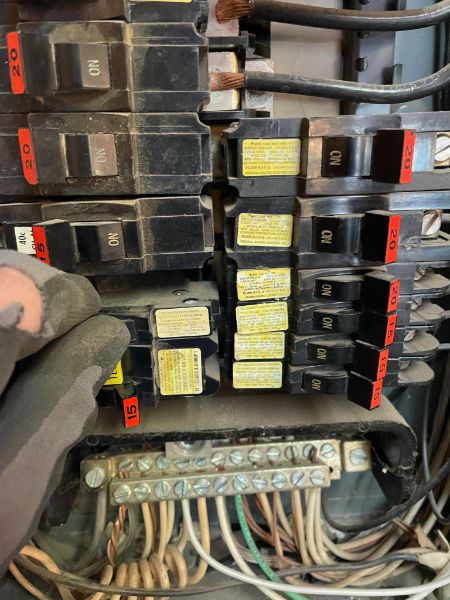
Grounding and bonding aren't the same thing, even though NEC Article 250 governs both. Grounding connects your electrical system to the earth, creating a low-impedance fault current path that trips breakers quickly during a fault. Bonding ties all metal components together so they share the same voltage potential, eliminating dangerous touch-voltage hazards. Your system needs both to be safe and code-compliant — and what follows breaks down exactly how each one works and why both matter.
Key Takeaways
Grounding connects electrical systems to the earth to stabilize voltage and enable fast fault clearing through overcurrent protection devices.
Bonding links all metal components together to equalize voltage potential and prevent dangerous shock hazards from voltage differences.
Grounding and bonding are not interchangeable; they address distinct safety problems and are both required under NEC Article 250.
Missing grounding paths risk electrocution and equipment damage, while inadequate bonding causes stray currents and touch-voltage hazards.
Licensed electricians assess grounding and bonding systems for NEC compliance, identifying deficiencies and implementing necessary corrective measures.
What Is Electrical Grounding?
Grounding gives fault current a low-impedance path back to the source—typically the utility transformer—so overcurrent protection devices like breakers can trip quickly and clear a fault. Under NEC Article 250, grounding systems connect electrical equipment to the earth through a grounding electrode system, which can include ground rods, metal water piping, concrete-encased electrodes, or ground rings. Each grounding technique serves a specific purpose: limiting voltage imposed by lightning or line surges, stabilizing system voltage during normal operation, and enabling rapid fault clearing. You'll find the grounding conductor running from your panel's neutral bus to the grounding electrode. Without a properly designed grounding system, fault currents may not reach the threshold needed to trip a breaker, leaving energized equipment dangerously exposed.
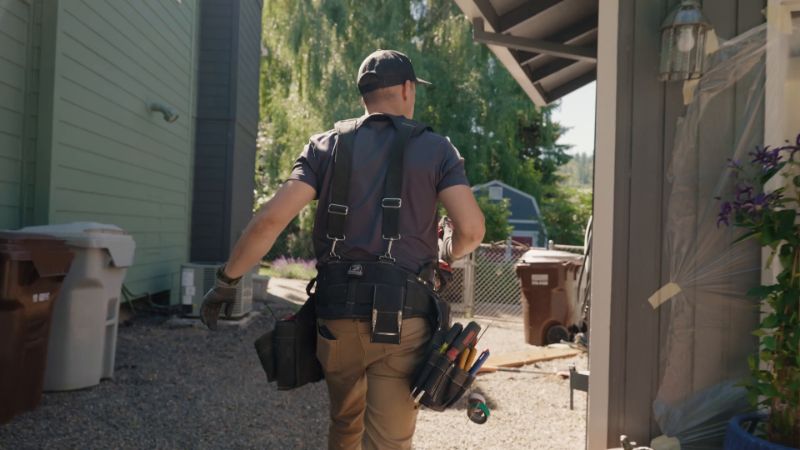
What Is Electrical Bonding?
Bonding is the sibling concept to grounding, but it serves a distinct purpose: rather than directing fault current to earth, bonding electrically connects all metal parts of a system together so they share the same voltage potential. NEC Article 250, Part V governs bonding requirements. When metal components aren't bonded, voltage differences between them create shock hazards.
Common bonding techniques include:
Equipotential bonding of water pipes, gas lines, and structural steel
Bonding jumpers (main and equipment) sized per NEC Table 250.102(C)(1)
Bonding bushings used where conduit connects to enclosures
Approved bonding materials include copper conductors, listed bonding clamps, and threaded connections to metal enclosures. Without proper bonding, you're exposed to dangerous touch-voltage hazards that grounding alone can't eliminate.
Grounding vs. Bonding: How They Work Together
While grounding and bonding address different problems, NEC 250 treats them as a unified system—bonding ties metal parts to a common voltage reference, and grounding connects that reference to earth. One of the most persistent grounding myths is that these functions are interchangeable; they're not. Bonding strategies guarantee equipotential continuity across enclosures, conduit, and structural steel using approved bonding materials like listed connectors and bonding bushings. Grounding methods then establish the earth connection through grounding systems using ground rods, concrete-encased electrodes, or ground rings. Bonding misconceptions often lead installers to skip bonding jumpers, assuming grounding alone handles fault current. It doesn't. Grounding techniques without proper bonding practices leave voltage differences between metal surfaces—creating shock hazards even when your grounding system appears complete and code-compliant.
What Happens When Grounding or Bonding Fails?
When grounding or bonding fails, the consequences split into two categories: safety hazards to people and damage to equipment. A missing or broken grounding path leaves fault current with nowhere to go, raising touch voltages on metal enclosures and increasing your electrocution risk—conditions that NEC Article 250 is specifically written to prevent. Inadequate bonding creates voltage differences between conductive surfaces, which can drive stray currents through equipment, degrade sensitive electronics, and accelerate corrosion in ways that lead to premature component failure.
Shock and Electrocution Risks
Faulty grounding and bonding don't just cause equipment problems—they create direct shock and electrocution hazards. Without proper shock prevention and electrocution safety measures in place, fault current has nowhere to go—except through you.
NEC 250 exists for a reason. When it's ignored or done incorrectly, the consequences are severe:
You touch a metal appliance during a ground fault and complete the circuit yourself—cardiac arrest can occur in milliseconds
Unbonded metal piping carries voltage differences that deliver painful, potentially lethal shocks during routine contact
Children and pets face the highest risk—they're closer to the ground and have lower body resistance
These aren't edge cases. They're documented failure modes. Correct grounding and bonding eliminate the path through your body before a fault ever occurs.
Equipment Damage and Failure
Grounding and bonding failures don't just endanger people—they destroy equipment. Without a low-impedance fault-current path required under NEC 250.4(A)(3), fault current has nowhere to go. Instead of clearing the overcurrent device, it flows through motor windings, control boards, and sensitive electronics, causing immediate equipment malfunction or accelerated insulation breakdown.
Voltage imbalances from improper bonding stress transformer secondaries and introduce noise into data and audio circuits. Floating neutral conditions—common after panel degradation or loose connections—can drive voltage to dangerous levels across 120V loads, burning out appliances instantly.
Prevention strategies start with verified grounding electrode system continuity, proper equipment bonding, and torqued connections at every termination point. Regular electrical inspections catch these deficiencies before they translate into costly equipment failures or complete system shutdowns.
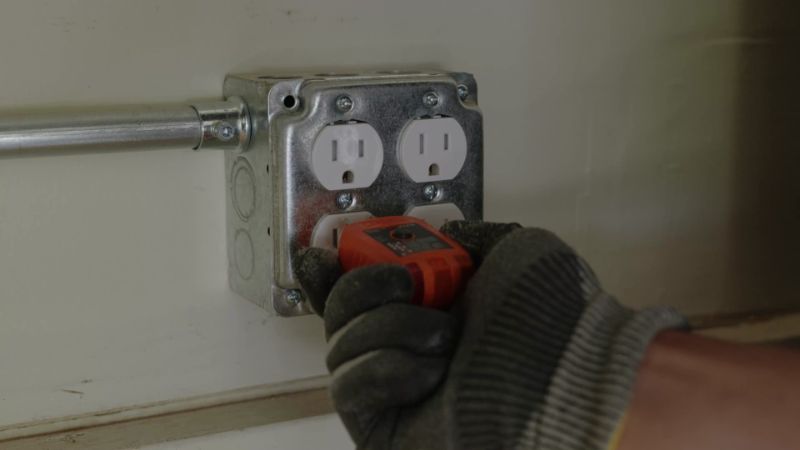
Does Your Home's Grounding and Bonding Meet Code?
Many older homes carry grounding and bonding deficiencies that don't meet current NEC requirements—missing grounding electrode conductors, unbonded metal water piping, ungrounded two-prong outlets, and improperly sized ground wires are among the most common violations inspectors flag. If your home was built before the 1980s, uses knob-and-tube or aluminum wiring, or has never had an electrical inspection, your system likely predates several critical code revisions. NEC 250 mandates specific grounding and bonding requirements, and upgrades become necessary when you pull a permit for a panel replacement, service upgrade, addition, or major remodel.
Common Code Violations Found
During electrical inspections, a handful of grounding and bonding deficiencies show up repeatedly in Portland-area homes. These common mistakes carry serious safety implications under NEC Article 250 and Oregon electrical code.
Watch for these frequently cited violations:
Missing or undersized grounding electrode conductors — an absent or improperly sized conductor leaves your system without a reliable fault-current path
Unbonded metal water piping — metallic plumbing systems require bonding per NEC 250.104(A), and without it, pipes can become energized during a fault
Open ground receptacles — two-prong or miswired three-prong outlets indicate missing equipment grounding conductors throughout older circuits
If an inspector flags any of these issues, you're not dealing with minor technicalities. You're dealing with documented hazards that demand immediate correction.
Signs of Outdated Systems
Whether your home was built decades ago or just hasn't been updated, aging electrical infrastructure often fails to meet current NEC Article 250 requirements for grounding and bonding. Outdated wiring—including knob-and-tube and aluminum systems—typically lacks grounding conductors entirely, leaving your system non-compliant and vulnerable. Watch for two-prong ungrounded outlets, a missing grounding electrode conductor at your panel, or metal water pipes that aren't bonded to the grounding electrode system per NEC 250.104. System inefficiencies like nuisance breaker trips, unexplained voltage fluctuations, or tingling sensations when touching appliances often indicate grounding deficiencies. If your panel predates the 2008 NEC, it likely doesn't meet current bonding requirements for gas piping, structural steel, or supplemental electrodes.
When Upgrades Are Required
Grounding and bonding upgrades become required under several specific conditions outlined in NEC Article 250—not just when you're building new. If your system fails inspection, you're pulling permits for a remodel, or your panel's being replaced, code requires compliant grounding techniques and bonding materials throughout.
Upgrades are typically triggered when:
You upgrade your panel—new service requires a code-compliant grounding electrode system
You add a subpanel or outbuilding—separate structures demand independent grounding and bonding per NEC 250.32
You purchase an older home—ungrounded circuits and missing bonding jumpers must be corrected before new work proceeds
Ignoring these requirements doesn't just fail inspection—it leaves your family exposed to shock hazards and fire risks that proper grounding and bonding materials would otherwise prevent.
When to Call an Electrician for Grounding and Bonding Upgrades
Several situations call for a licensed electrician to evaluate or upgrade your grounding and bonding system. If your home was built before the 1960s, it likely lacks an equipment grounding conductor entirely. Aluminum wiring, knob-and-tube systems, and two-prong outlets are strong indicators that both grounding techniques and bonding methods fall short of current NEC requirements. You should also contact an electrician if you're adding a subpanel, installing an EV charger, or wiring a hot tub or sauna—each requires a dedicated grounding electrode conductor and proper equipotential bonding. Failed inspections, nuisance breaker trips, or tingles when touching appliances suggest grounding deficiencies. A licensed electrician will assess your existing system against NEC Article 250, identify deficiencies, and implement corrective grounding techniques and bonding methods that bring your installation into full compliance.
Frequently Asked Questions
How Much Does a Grounding and Bonding Upgrade Typically Cost?
Costs vary widely due to cost factors like panel age and installation variations in your home's existing system. You'll typically spend $200–$1,500+. Contact Heritage Electric for a precise, code-compliant assessment tailored to your situation.
Can Faulty Grounding or Bonding Void My Homeowner's Insurance Policy?
Faulty grounding or bonding can trigger serious insurance implications—your insurer may deny claims or cancel coverage if they find your electrical safety setup violates NEC code requirements. Schedule an inspection with Heritage Electric to stay compliant.
Does Grounding and Bonding Affect the Performance of Solar Panels?
Yes, proper grounding and bonding directly impact your solar system's solar efficiency and electrical safety. NEC Article 690 requires you to ground PV systems correctly—faults left unaddressed reduce output and create shock hazards.
Are Older Homes With Two-Prong Outlets Considered Ungrounded Systems?
Yes, your two-prong outlets indicate an ungrounded system, lacking the equipment grounding conductor required by NEC 250.114. This creates serious electrical hazards and outlet safety concerns, as there's no fault-current path to safely redirect dangerous voltage.
How Long Does a Professional Grounding and Bonding Upgrade Take?
Most grounding techniques and bonding methods wrap up in one day. Your electrician'll assess your panel, install grounding electrodes, apply NEC-compliant bonding methods across metallic systems, and complete inspections—typically within four to eight hours.